

Digital onboarding: How to successfully welcome a new employee

Digital onboarding has become a strategic priority for organizations looking to successfully integrate new employees, especially in hybrid and remote work environments. A poorly structured onboarding experience can negatively impact motivation, productivity, and long-term retention.
On the other hand, a well-designed digital onboarding process creates a smooth, engaging, and structured experience from day one.
1. Why digital onboarding is now essential
Modern companies must manage:
- Hybrid or fully remote teams
- Distributed collaboration
- Multiple digital tools and workflows
An effective digital onboarding process helps to:
- Standardize the integration journey
- Reduce time to productivity
- Improve early engagement
- Ensure consistent knowledge transfer
Welcoming a new employee should never be improvised. It should be designed as a structured experience.
2. Key stages of a successful digital onboarding process
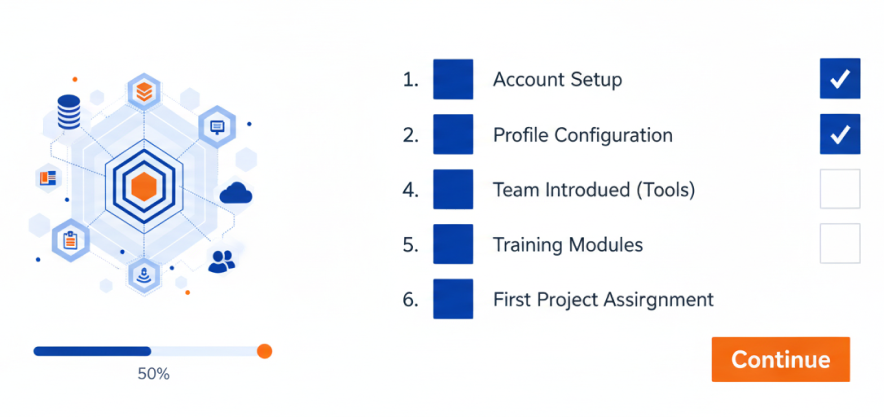
Pre-onboarding: before day one
The onboarding experience begins before the official start date. Pre-onboarding may include:
- A welcome email with key information
- Access to internal platforms
- A clear schedule for the first week
- Digitized administrative documents
This phase reduces anxiety and builds a positive first impression.
First day: structured immersion
The first day should be organized and intentional:
- Team introductions
- Access to essential tools
- Clear explanation of expectations
- Structured digital training materials
Digital onboarding platforms make resources accessible anytime, supporting a smoother integration.
30-60-90 day follow-up
A strong onboarding process continues beyond the first week. It should include:
- Regular check-ins
- Progressive objectives
- Structured feedback sessions
Digital tools centralize documentation, track progress, and improve transparency.
👉 Read more : How to choose the right collaboration tools for a high-performing team
3. Tools to support digital onboarding
Several tools can enhance the onboarding journey:
- HR platforms (HRIS systems)
- Collaboration tools like Notion, Teams, or Slack
- Learning management systems (LMS)
- Automated workflows for administrative tasks
The goal is to simplify the employee experience not overwhelm it with technology
4. Business benefits of digital onboarding
A structured digital onboarding process leads to:
- Faster skill development
- Higher employee retention
- Stronger employer branding
- Fewer administrative errors
It also signals organizational maturity and reinforces a modern workplace culture.
5. Common mistakes to avoid
Even digital onboarding can fail if:
- It overloads new hires with too much information
- It lacks human interaction
- It is not personalized
- There is no structured follow-up
Technology should support human connection not replace it.
6. DevUps and HR process optimization
At DevUps, we support organizations in digitalizing and optimizing HR processes, including onboarding.
Our approach includes:
- Needs assessment
- Employee journey mapping
- Tool selection and integration
- Smart workflow automation
A well-structured digital onboarding strategy is a long-term investment in performance and retention.
Conclusion
Digital onboarding is no longer optional it is essential in today’s evolving workplace. When structured, human-centered, and supported by the right tools, it enhances employee experience and strengthens overall organizational performance.
Successfully welcoming a new employee means laying the foundation for long-term collaboration and growth.
👉 Need Help ? Contact DevUps
Latest Insights and Tips
Start building your digital ecosystem today. Get in touch with our team to discuss your project.

Automatically connect your CRM to your emails
March 4, 2026
Automatically connecting your CRM to your emails has become essential for businesses looking to save time, improve customer tracking, and…

Which tools to use for an effective digital audit
February 23, 2026
Conducting an effective digital audit is a critical step to understand the overall performance of your online presence. Before optimizing…
Build a Strategic Editorial Calendar
February 9, 2026
Building a strategic editorial calendar is now essential for managing digital communication effectively. In an environment where content channels are…
Low-code vs No-code: Key Differences
January 26, 2026
Low-code vs no-code? These two approaches are changing the way digital tools and applications are built. By reducing the need…

Automating HR Processes: Concrete Use Cases
January 20, 2026
HR process automation has become a strategic lever for companies looking to gain efficiency, reduce operational costs, and improve the…

How to choose the right collaboration tools for a high-performing team
January 13, 2026
In a professional environment where hybrid work, remote collaboration, and cross-functional teams have become the norm, choosing the right collaboration…