

Which tools to use for an effective digital audit

Conducting an effective digital audit is a critical step to understand the overall performance of your online presence. Before optimizing a website, investing in marketing, or transforming processes, it’s essential to analyze the current situation.
A well-structured digital audit identifies strengths, weaknesses, and growth opportunities. But achieving this requires using the right tools.
1. Why an effective digital audit is essential
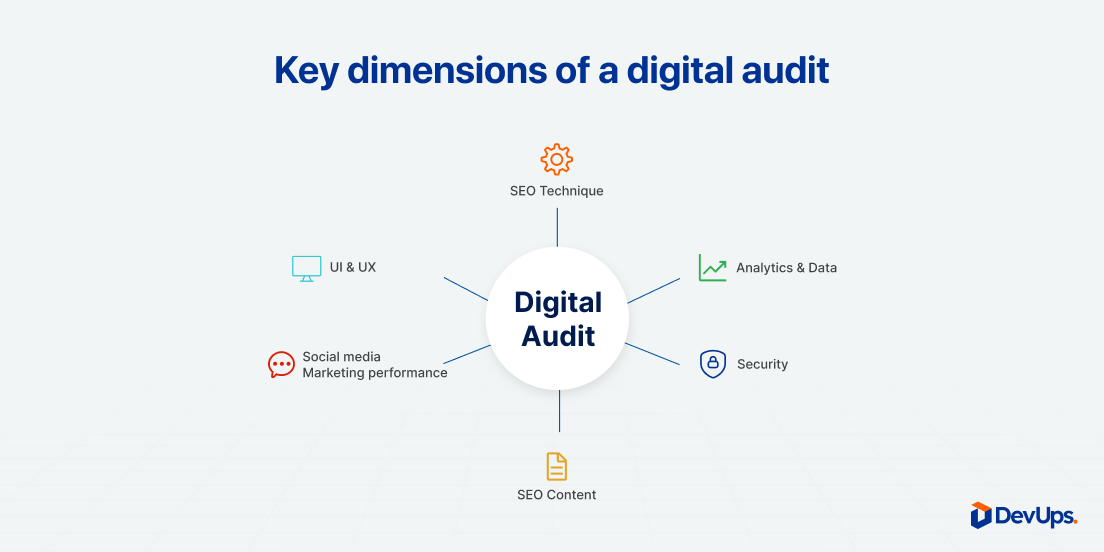
A digital audit goes beyond analyzing website traffic. It covers multiple dimensions:
- Technical performance of the website
- Search engine optimization (SEO)
- User experience (UX)
- Content strategy
- Marketing campaign performance
- Social media presence
An effective digital audit provides a clear and structured view, enabling data-driven strategic decisions.
2. Tools to analyze website performance
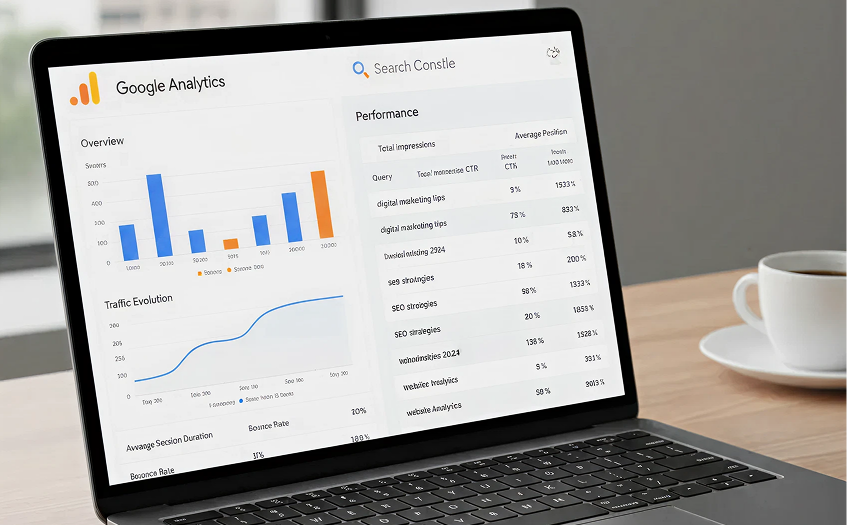
Google Analytics
Essential for analyzing:
- Website traffic
- Acquisition sources
- User behavior
- Conversions
It helps identify what works and what needs optimization.
Google Search Console
Key for:
- SEO query analysis
- Detecting technical errors
- Monitoring indexing status
These two tools are the foundation of any effective digital audit.
3. SEO tools for an in-depth digital audit
To go further, specialized platforms include:
- SEMrush
- Ahrefs
- Screaming Frog
- Ubersuggest
They allow you to analyze:
- Backlinks
- Keyword positions
- Competitors
- Technical SEO issues
These are essential for an audit focused on organic visibility
👉 Read more : Build a Strategic Editorial Calendar
4. Tools to evaluate user experience (UX)
UX is often an overlooked pillar in digital audits.
Recommended tools:
- Hotjar (heatmaps & session recordings)
- Microsoft Clarity
- PageSpeed Insights
They help identify:
- Friction points
- Slow-loading pages
- Drop-offs
A comprehensive digital audit must include UX analysis to improve conversion rates.
5. Tools for content strategy analysis
An effective digital audit also evaluates content performance:
- Article performance analysis
- Keyword consistency
- Internal linking structure
- Engagement metrics
Tools like Google Analytics, SEMrush, or SEO plugins help identify content to update, optimize, or remove.
6. Tools for marketing campaign analysis
If you run digital advertising, include:
- Google Ads
- Meta Ads Manager
- CRM tools
A good digital audit should measure:
- Cost per acquisition
- ROI of campaigns
- Lead quality
7. Structuring a digital audit step by step
To ensure effectiveness:
- Define objectives
- Collect data
- Analyze performance
- Identify priorities
- Develop an actionable plan
An effective audit doesn’t just produce a report it results in concrete recommendations.
8. DevUps and support for digital audits
At DevUps, we help companies carry out comprehensive digital audits tailored to their maturity and goals.
Our methodology includes:
- In-depth technical analysis
- Strategic assessment
- Actionable recommendations
- Performance tracking
An effective digital audit is the starting point for a successful digital transformation.
Conclusion
Choosing the right tools is essential to launch an effective digital audit. But beyond technology, methodology and analytical capability make all the difference.
A well-structured audit helps optimize investments, improve performance, and strengthen digital competitiveness
👉 Need Help ? Contact DevUps
Latest Insights and Tips
Start building your digital ecosystem today. Get in touch with our team to discuss your project.

Automatically connect your CRM to your emails
March 4, 2026
Automatically connecting your CRM to your emails has become essential for businesses looking to save time, improve customer tracking, and…

Digital onboarding: How to successfully welcome a new employee
February 16, 2026
Digital onboarding has become a strategic priority for organizations looking to successfully integrate new employees, especially in hybrid and remote…

Build a Strategic Editorial Calendar
February 9, 2026
Building a strategic editorial calendar is now essential for managing digital communication effectively. In an environment where content channels are…
Low-code vs No-code: Key Differences
January 26, 2026
Low-code vs no-code? These two approaches are changing the way digital tools and applications are built. By reducing the need…

Automating HR Processes: Concrete Use Cases
January 20, 2026
HR process automation has become a strategic lever for companies looking to gain efficiency, reduce operational costs, and improve the…

How to choose the right collaboration tools for a high-performing team
January 13, 2026
In a professional environment where hybrid work, remote collaboration, and cross-functional teams have become the norm, choosing the right collaboration…